Harnessing FemTech Innovations to Optimize Pregnancy Outcomes in Low-Income Areas
- Dr. Reena Sherene
- Jun 26
- 4 min read

Pregnancy can be a time of hope and excitement, but it also carries risks, especially in low- and middle-income countries and remote regions where access to quality healthcare is limited. New technologies in the FemTech sector are changing this reality by offering tools that improve pregnancy outcomes and maternal health. These innovations provide practical solutions to challenges faced by pregnant women and healthcare providers in underserved areas.
This blog post explores how FemTech is making a difference in pregnancy care, focusing on specific technologies, their benefits, and the obstacles to their implementation. Real-life examples highlight how these tools are saving lives and improving health for mothers and babies.
What is FemTech and Why It Matters for Pregnancy
FemTech refers to technology designed to address women’s health needs, including reproductive health, pregnancy, and maternal care. It covers a wide range of products such as mobile apps, wearable devices, diagnostic tools, and telemedicine platforms.
Pregnancy outcomes depend heavily on timely monitoring, early detection of complications, and access to skilled care. In many low-income and remote areas, these factors are hard to achieve due to:
Limited healthcare infrastructure
Shortage of trained medical staff
Geographic barriers and transportation difficulties
Lack of health education and awareness
FemTech innovations help bridge these gaps by providing affordable, accessible, and user-friendly solutions that support both women and healthcare workers.
Key FemTech Innovations Improving Pregnancy Outcomes
Mobile Health Apps for Pregnancy Monitoring
Mobile apps designed for pregnancy tracking are widely used worldwide. In low-resource settings, these apps help women monitor their health, receive reminders for antenatal visits, and access educational content about pregnancy care.
Example: The Safe Delivery App, developed by the Maternity Foundation, offers step-by-step guidance for managing childbirth emergencies. It has been used by midwives in countries like Ethiopia and Tanzania, improving their skills and confidence during deliveries.
Portable Ultrasound Devices
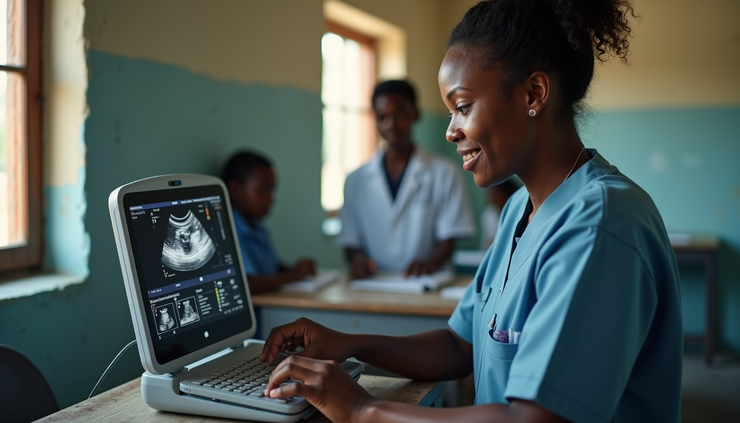
Traditional ultrasound machines are expensive and require skilled operators, making them scarce in remote clinics. Portable ultrasound devices are compact, affordable, and can be operated by trained community health workers.
Benefit: Early detection of complications such as ectopic pregnancy, fetal growth restriction, or placenta previa allows timely referral to hospitals, reducing maternal and neonatal mortality.
Wearable Health Monitors
Wearable devices that track vital signs like heart rate, blood pressure, and oxygen levels provide continuous monitoring for pregnant women. These devices can alert healthcare providers to warning signs of preeclampsia or other conditions.
Case Study: In rural India, a pilot program equipped pregnant women with wearable monitors connected to mobile phones. Data was sent to doctors who could intervene quickly when abnormalities appeared, leading to fewer emergency cases.
Telemedicine and Remote Consultations
Telemedicine platforms connect pregnant women in isolated areas with specialists in urban centers. This reduces the need for travel and allows timely expert advice.
Example: In parts of Sub-Saharan Africa, telemedicine has enabled midwives to consult obstetricians during complicated cases, improving decision-making and outcomes.
Benefits of FemTech in Low-Income and Remote Areas
Increased Access to Care: Technology overcomes distance and infrastructure barriers, bringing healthcare closer to women.
Empowerment Through Information: Women gain knowledge about pregnancy, danger signs, and newborn care, leading to better self-care.
Improved Data Collection: Digital tools help track health data, enabling better planning and resource allocation by health systems.
Cost-Effective Solutions: Many FemTech products are affordable and scalable, making them suitable for resource-limited settings.
Enhanced Training for Health Workers: Apps and devices provide ongoing education and support for frontline providers.
Challenges in Implementing FemTech Solutions
Despite the promise, several challenges slow down the adoption of FemTech in low-income and remote areas:
Limited Internet and Electricity: Many regions lack reliable connectivity and power, restricting the use of digital tools.
Cultural Barriers: Some communities may distrust technology or face gender norms that limit women’s access to devices.
Training and Support Needs: Health workers require training to use new tools effectively, which demands resources and time.
Sustainability and Funding: Projects often depend on short-term grants, making long-term maintenance difficult.
Data Privacy Concerns: Protecting sensitive health information is critical but challenging in low-resource settings.
Success Stories Demonstrating Impact
Case Study 1: Portable Ultrasound in Uganda
In Uganda, the introduction of portable ultrasound devices in rural health centers led to a 30% increase in early detection of pregnancy complications. Midwives trained to use the devices referred high-risk cases to district hospitals sooner, reducing maternal deaths by 15% over two years.
Case Study 2: Telemedicine in Nepal
A telemedicine program in Nepal connected remote mountain villages with urban obstetricians. Pregnant women received virtual consultations, and local health workers gained access to expert advice. This program improved antenatal care attendance by 40% and lowered emergency referrals.
Case Study 3: Wearable Monitors in Kenya
A pilot project in Kenya provided pregnant women with wearable devices to monitor blood pressure and heart rate. Alerts sent to healthcare providers helped identify preeclampsia early. The project reported a 25% reduction in severe complications related to high blood pressure during pregnancy.
Moving Forward: What Can Be Done to Expand FemTech Benefits?
To maximize the impact of FemTech on pregnancy outcomes in low-income and remote areas, stakeholders should:
Invest in infrastructure to improve internet and electricity access.
Engage communities to build trust and address cultural concerns.
Provide comprehensive training and ongoing support for health workers.
Develop sustainable funding models involving governments, NGOs, and private sector partners.
Ensure strong data protection policies to safeguard patient privacy.
By addressing these factors, FemTech can become a vital part of maternal health strategies worldwide.
Reference:
The FemTech revolution: Unlocking the potential of new technology for optimizing pregnancy outcomes in low‐ and middle‐income countries and remote areas
Melamed N, Divakar H, Choolani M, et al. The FemTech revolution: Unlocking the potential of new technology for optimizing pregnancy outcomes in low- and middle-income countries and remote areas. Int J Gynecol Obstet. 2026;00:1-24. doi:10.1002/ijgo.71156


Comments